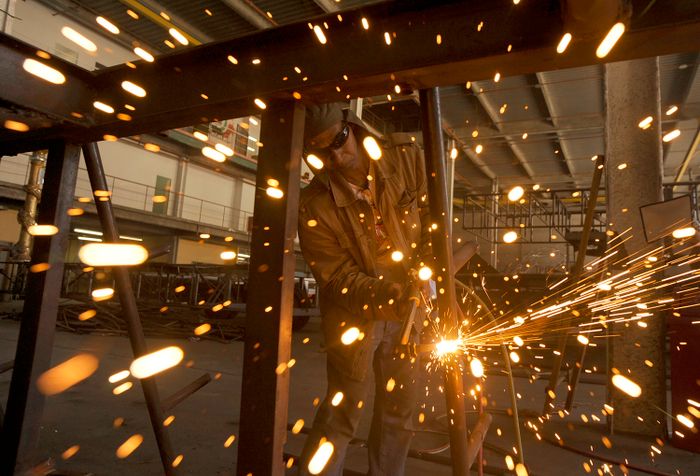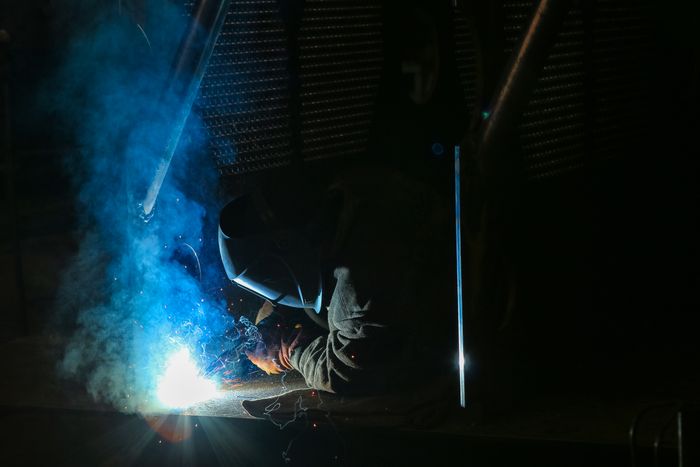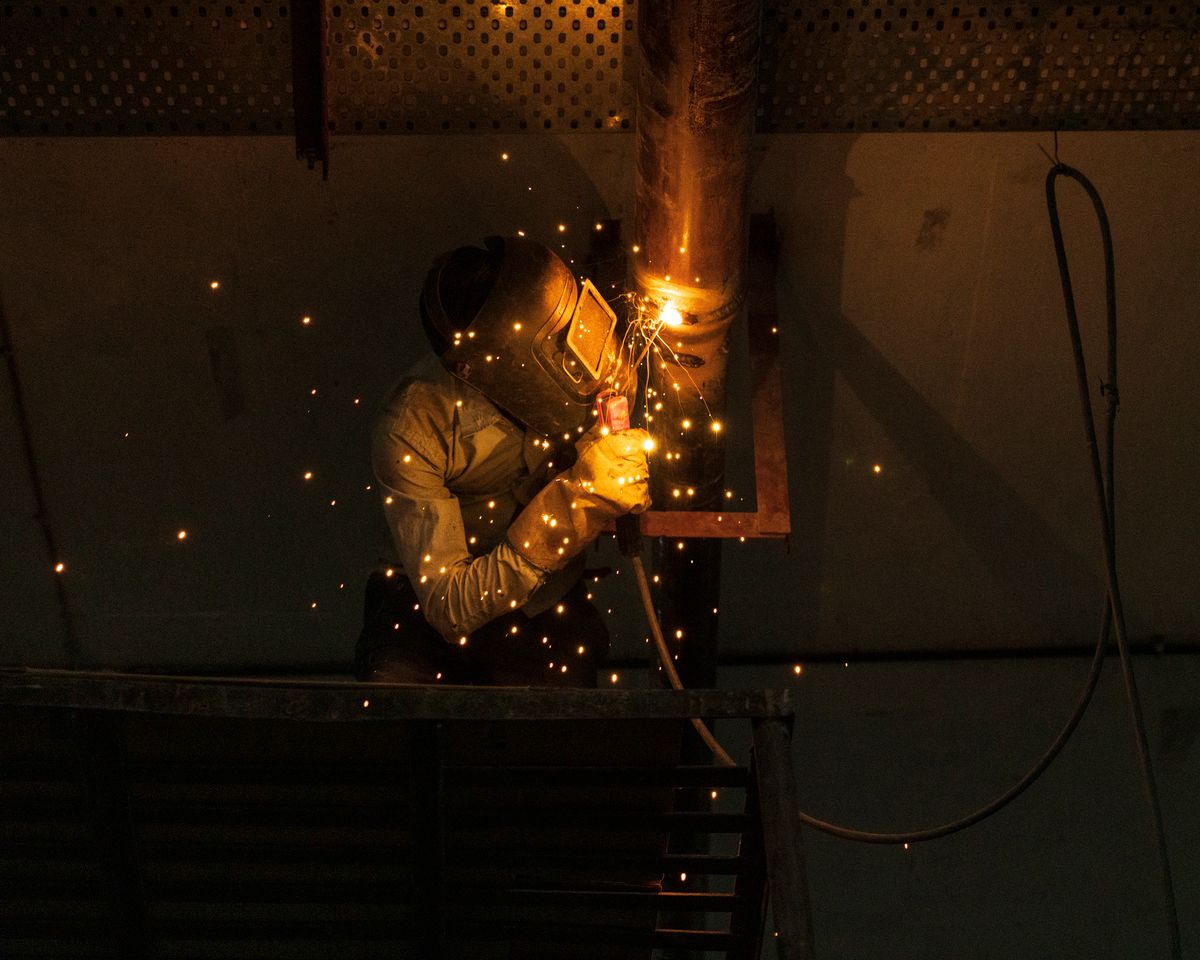
MIG is the friendliest arc to learn and the hardest to master — easy to stick metal together, genuinely tricky to do beautifully. Nearly every ugly MIG bead traces back to one of three settings. Get these right and the machine practically welds for you.
Wire Speed Is King
Voltage sets the heat; wire speed sets the fill. Too slow and the arc crackles and stubs; too fast and the wire pile-drives into the puddle. The sweet spot sounds like bacon frying — a steady, aggressive sizzle. Change one variable at a time and write down what works for each thickness.
Gas Flow: Invisible Until It Isn't
Your shielding gas is a wind-sensitive blanket. Around 20 CFH covers most indoor work; drafts demand screens, not more gas — cranking flow just creates turbulence that sucks air in. Porosity (those wormholes in your bead) is almost always a gas coverage problem, not a machine problem.
Gun Angle and Travel
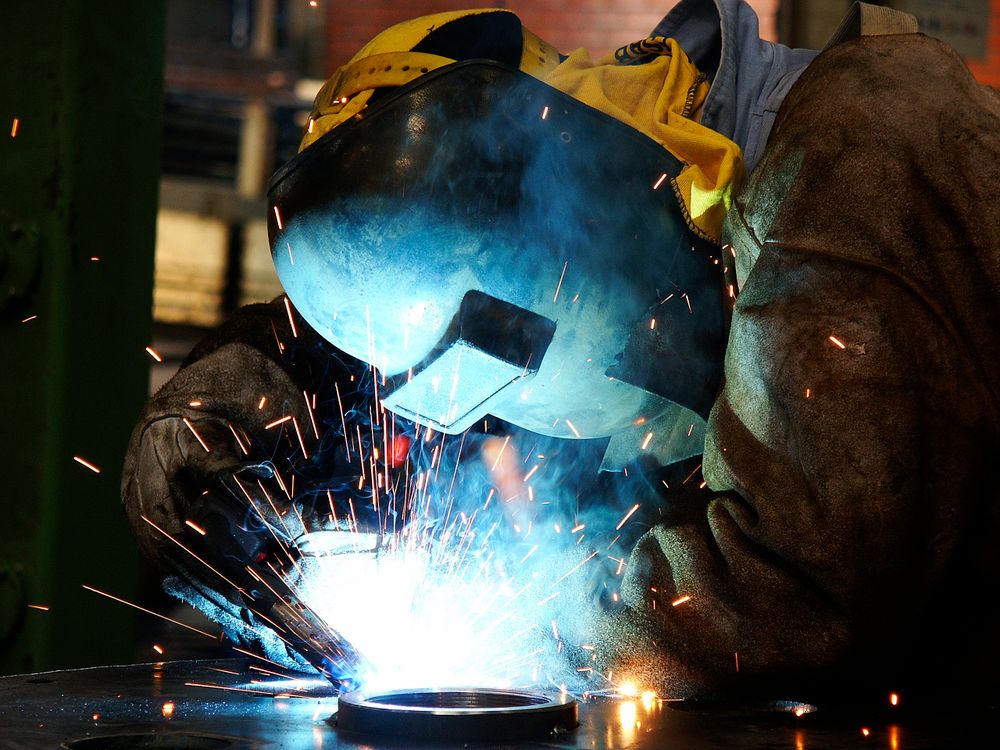
Push at 10–15 degrees for clean welds with good gas coverage; drag only when you need deeper penetration on thick steel. Watch the puddle, not the arc — the molten pool tells you everything about heat, speed, and fusion if you learn to read its edges.
Practice With Purpose
Ten focused coupons beat a hundred random beads. Label each with its settings, cut a few open to check penetration, and keep the best as your reference library. When your practice beads look like ours, come build something real — or bring us the joints that matter most.