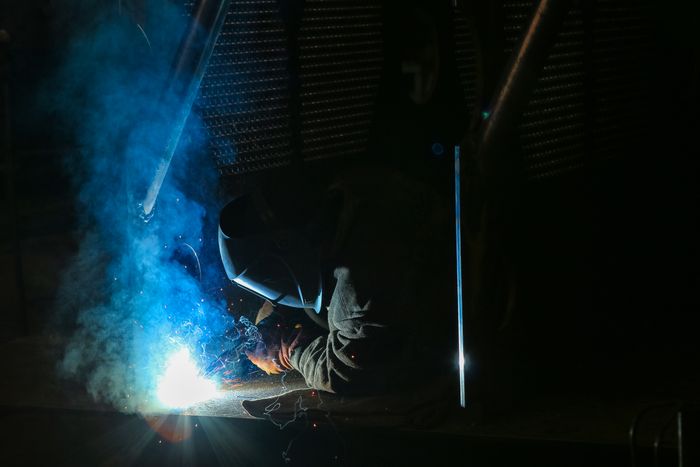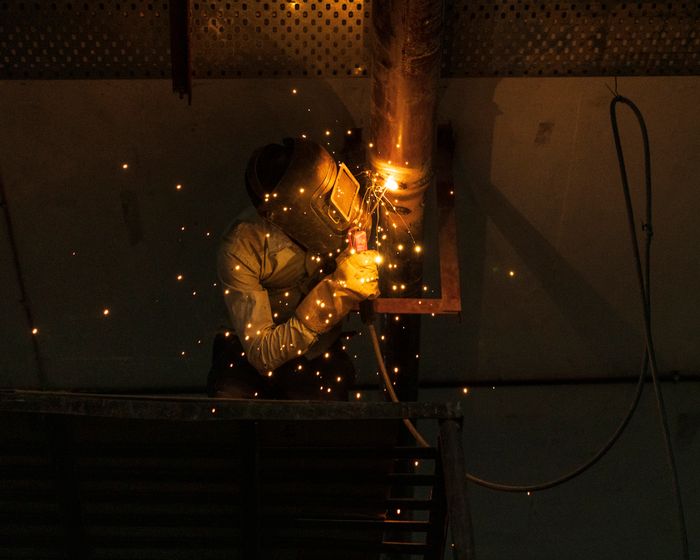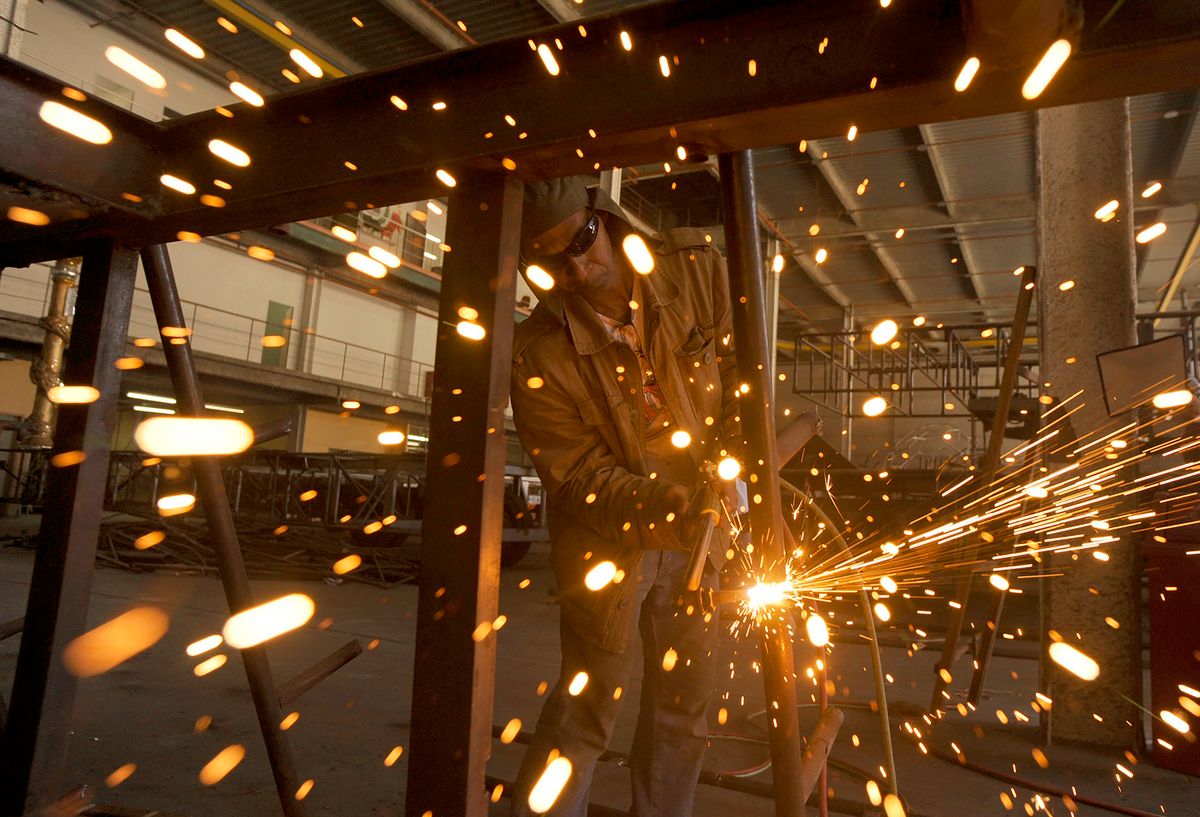
Every professional welder started the same way: staring at a shower of sparks and thinking, I want to make things. The good news is that a home setup has never been cheaper or safer to start — a decent 120V MIG machine, an auto-darkening hood, and a corner of the garage will take you surprisingly far.
Start With the Right Rig
For beginners, a small MIG welder with flux-core capability is the friendliest entry point — no gas bottle to rent, forgiving arc, and enough power for 1/8-inch steel. Budget for safety first: a quality hood, leather gloves, a flame-resistant jacket, and ventilation matter more than machine brand.
Five Skills Before Your First Project
Run straight beads on flat plate until they look like stacked coins. Then learn tacking, butt joints, lap joints, and out-of-position basics. An hour of practice coupons saves ten hours of grinding on a real build — and scrap plate is cheap tuition.
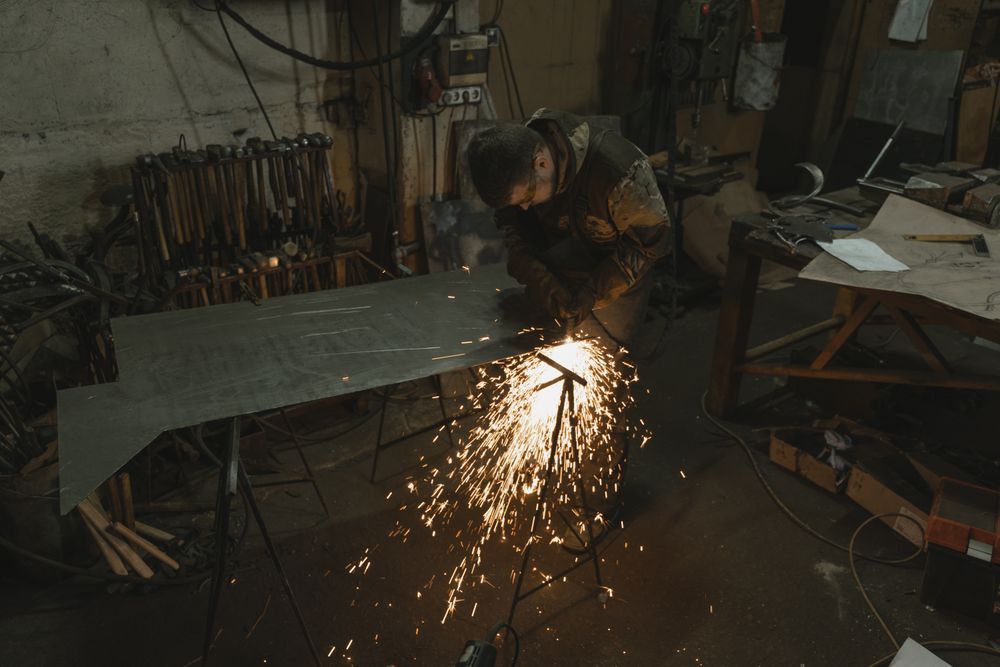
Weekend Builds That Teach
A welding cart for your machine teaches measuring, squaring, and tack sequencing. A fire-pit ring teaches rolled joints and heat control. A workbench teaches flat, level, and strong — the three words behind every good fabrication. Finish all three and you will weld better than most handymen with a truck full of tools.
Know When to Call a Pro
Trailers, load-bearing brackets, and anything holding weight over people deserve certified welds. Hobby skills and structural liability are different sports — and there is no shame in building the fun stuff yourself while we handle the critical joints.